



BLOG
Types of Water Heaters: Finding the Best Fit for Your Columbia, SC Home
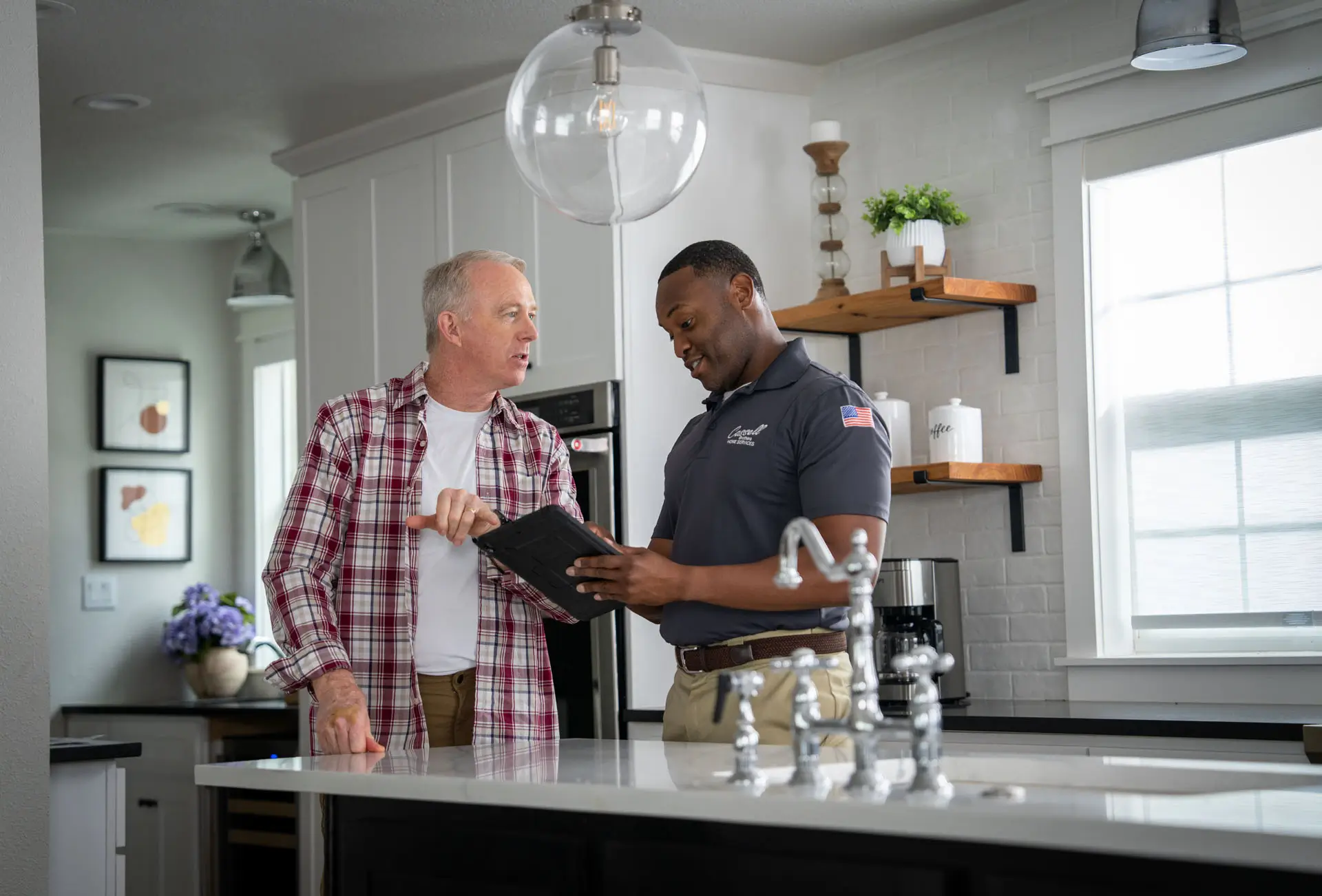
There are several types of water heaters available to Columbia, SC homeowners — and choosing the right one can mean the difference between reliable hot water and costly inefficiencies. Whether you are replacing an aging tank or upgrading to a more energy-efficient system, this guide breaks down every option to help you make the best decision for your home and budget.
Introduction to Water Heaters
Water heaters provide hot water for daily use, heating it with electricity, gas, or renewable energy before distributing it through your plumbing.
When choosing a water heater install, consider:
- Household size: Larger families need higher-capacity systems, while smaller homes may benefit from compact, energy-efficient models.
- Climate: Colder temperatures can impact efficiency, making some systems better suited for mild regions like Columbia.
- Budget: Weigh upfront costs and water heater maintenance costs against long-term energy savings to determine which system is best for your home.
Conventional Storage Tank Water Heaters
Storage tank water heaters, the most common type, store and heat water in an insulated tank, reheating as needed to maintain a steady supply.
Advantages:
- Lower upfront cost: More affordable than other water heater types.
- Simple installation: Works with most existing plumbing systems.
- Reliable hot water: Ideal for homes with consistent, moderate usage.
- It's ideal for Soda City businesses like cafés and shops near Main Street Market, ensuring reliable hot water all day.
Disadvantages:
- Higher energy waste: Constantly heats water, even when not in use.
- Limited hot water supply: Runs out if demand exceeds the tank’s capacity.
- Larger footprint: Installation requires space, which can be an issue in smaller homes.
Tankless Water Heaters (On-Demand)
Tankless water heaters heat water only using gas burners or electric coils when needed. Unlike traditional models, they don’t store hot water, eliminating standby energy loss.
Pros:
- Space-saving: Its compact design is ideal for historic homes in Cottontown, Shandon, and Elmwood Park, where space is limited.
- Endless hot water: No tank means you won’t run out, even during back-to-back showers.
- Energy-efficient: Uses less power by heating water on demand, lowering utility bills.
Cons:
- Higher upfront cost: More expensive to purchase and install.
- Flow rate limitations: May struggle to supply multiple fixtures at once.
- Grid dependency: Requires electricity or gas, making it less reliable during power outages.
Heat Pump Water Heaters (Hybrid)
Heat pump water heaters don’t generate heat directly. Instead, they pull warmth from the air or ground to heat water, making them far more efficient than traditional models.
Why Choose a Heat Pump Water Heater?
- Energy savings: Uses up to 60% less energy than conventional electric water heaters.
- Lower operating costs: Reduced electricity use means long-term savings.
What to Consider:
- Space requirements: Requires ample airflow, making it less suitable for older homes in Elmwood Park and Shandon with limited space.
- Noise levels: Operates with a low hum, similar to a refrigerator.
- Climate suitability: Works best in mild climates like Columbia, where temperatures stay above freezing most of the year.
- However, heat pump efficiency can drop during severe cold snaps like the 2014 "Snozilla" ice storm.
- Homeowners in Forest Acres or Lake Murray should consider freeze-resistant models or a backup system for cold snaps.
A heat pump water heater can be a smart investment for homeowners who want to cut energy costs without sacrificing performance.
Solar Water Heaters
Solar water heaters use the sun’s energy to heat water, making them one of the most eco-friendly options.
Types of Solar Water Heaters:
- Active systems: Use pumps to circulate water, providing better efficiency.
- Passive systems: Rely on gravity, making them more straightforward and affordable but less effective.
Benefits:
- Renewable energy: Reduces reliance on electricity or gas.
- Long-term savings: Lower utility bills can offset installation costs over time.
Limitations:
- High upfront cost: Expensive to install compared to other water heaters.
- Weather dependency: Less effective on cloudy days or during long periods of rain.
- Geographical Impact: Solar water heaters thrive in sunny areas, making them ideal for homes near Lake Murray and Lake Marion.
- Backup heating needed: Many systems rely on the electric grid during low sunlight periods.
Condensing Water Heaters
Condensing water heaters efficiently reuse exhaust gases to preheat water, making them ideal for natural gas or propane homes.
Why Choose a Condensing Water Heater?
- Energy-efficient: Uses waste heat that would otherwise be lost.
- Lower gas bills: Burns fuel more effectively, reducing overall costs.
- Great for large households: Provides a steady supply of hot water without excessive energy waste.
Things to Consider:
- Altitude limitations: Higher elevations, like some areas in Forest Acres, can impact combustion efficiency.
- Space requirements: Needs proper venting and drainage for condensed water.
For Columbia homeowners with gas-powered systems, a condensing water heater offers a smart way to cut energy costs while maintaining reliable hot water.
Comparison Guide: Choosing the Right Type
Choosing the right water heater depends on your home’s setup, budget, and long-term energy goals. Here’s what to consider before making a decision.
1. Fuel Type Compatibility
- Electric: Widely available but may have higher operating costs.
- Gas: Heats water faster but requires proper venting.
- Solar: Best for sunny areas but needs a backup system.
- Heat pump: Extremely efficient but requires more space.
2. Energy Efficiency Ratings
Look for models with:
- High Energy Factor (EF) ratings: Indicates better efficiency.
- ENERGY STAR® certification: Ensures cost-effective, eco-friendly performance.
3. Cost Analysis: Upfront vs. Lifetime Savings
- Traditional tanks: Cheaper upfront but higher long-term energy costs.
- Tankless and heat pump models: More expensive initially but save money over time.
- Solar: Highest upfront cost but maximizes savings with minimal energy use.
4. Home Layout Considerations
- Multi-story homes: Tankless models prevent hot water delays between floors.
- Single-story homes: Traditional tanks work well without major performance loss.
5. Availability of Repair Technicians
- Some advanced models, like solar and condensing heaters, may require specialized service.
- In Columbia, homeowners should check for technicians trained in tankless water heater repair, water heater replacement, and heat pump systems before investing in a newer model.
Understanding these factors can help you choose a water heater that fits your home’s needs while keeping energy costs in check.
Frequently Asked Questions
Columbia homeowners can choose from storage tank, tankless, heat pump, solar, and condensing water heaters. Each type varies in upfront cost, energy efficiency, and space requirements, so the best choice depends on your household size, budget, and home layout.
Tankless water heaters are a great fit for many Columbia homes, especially older properties in Shandon, Cottontown, or Elmwood Park where space is limited. They heat water on demand, never run out, and use less energy than traditional tank models — though they do come with a higher upfront cost.
Yes — Columbia's mild climate is actually ideal for heat pump water heaters. They use up to 60% less energy than standard electric models and perform well in our temperatures for most of the year. Homeowners near Lake Murray or Forest Acres may want a freeze-resistant model as a precaution during rare cold snaps.
It comes down to what your home already supports. Gas water heaters heat water faster and can cost less to operate where Dominion Energy natural gas is available. Electric models are a reliable alternative for homes without gas service and pair well with heat pump technology for added efficiency.